March 22, 2025

Owning a horse property in the Tassajara Valley—whether in Danville, Pleasanton, or San Ramon—comes with unique legal considerations. From liability issues to boarding agreements, understanding equine law is essential for horse property owners, trainers, and equestrians alike. Whether you're managing a private barn, running a boarding facility, or just enjoying your own horses at home, knowing the legal aspects of equine ownership can protect your investment and your peace of mind.
1️⃣ Liability & Risk Management for Horse Property Owners
Horse properties present inherent risks, and California law holds property owners to specific standards when it comes to liability. California’s Equine Activity Liability Act (EALA) offers some protection to horse property owners, but it does not eliminate all liability. Proper signage, waivers, and insurance are crucial to reducing risk.
✔ Protect Yourself with Waivers & Release Forms – If you allow others to ride or handle horses on your property, a well-drafted liability waiver is a must.
✔ Post Proper Signage – Warnings such as "Ride at Your Own Risk" or "Equine Liability Law in Effect" can reinforce protections.
✔ Maintain Adequate Insurance – Homeowners' insurance often excludes equine-related liability, so specialized coverage may be necessary.
2️⃣ Boarding Agreements: Essential Protections for Barn Owners & Trainers
If you’re boarding horses, a solid boarding contract is your best protection against disputes. A well-written agreement should include:
📌 Payment terms & late fees – Avoid misunderstandings with a clear payment schedule.
📌 Care & services provided – Outline feeding, turnout, and veterinary responsibilities.
📌 Liability waivers – Ensure horse owners understand their responsibilities.
📌 Eviction policies – Set clear terms for removing a horse due to non-payment or neglect.
3️⃣ Water Rights & Land Use Regulations for Equestrian Properties
Water access is crucial for horse properties in the Tassajara Valley. If your property has a well, irrigation rights, or is located in an area with water restrictions, you’ll need to stay compliant with local and state regulations. Additionally, zoning laws may limit the number of horses per acre or require special permits for boarding facilities or riding arenas.
💧 Tip: If you’re buying or selling an equestrian property, consult a well maintenance specialist and review local zoning laws to ensure compliance.
4️⃣ Buying or Selling a Horse Property? Legal & Disclosure Requirements
Equestrian properties involve unique real estate disclosures, including:
🏡 Land use restrictions – Are there easements, conservation areas, or building limitations?
🐎 Livestock ordinances – How many horses can the property legally accommodate?
💧 Well & septic system disclosures – If applicable, these require thorough inspections.
As a specialist in equestrian real estate, I ensure buyers and sellers understand these factors before making a move. I also work with equine law attorneys who can help protect your interests in any transaction.
🏇 Need Help with Your Equestrian Property? Let’s Talk!
Whether you're looking to buy, sell, or better protect your horse property, I can connect you with the right legal resources and help you navigate the unique aspects of equine real estate in the Tassajara Valley.
📞 Call or message me today for expert equestrian real estate guidance!
Erika Westhoff (510) 331-0327 [email protected]
Stay up to date on the latest real estate trends.
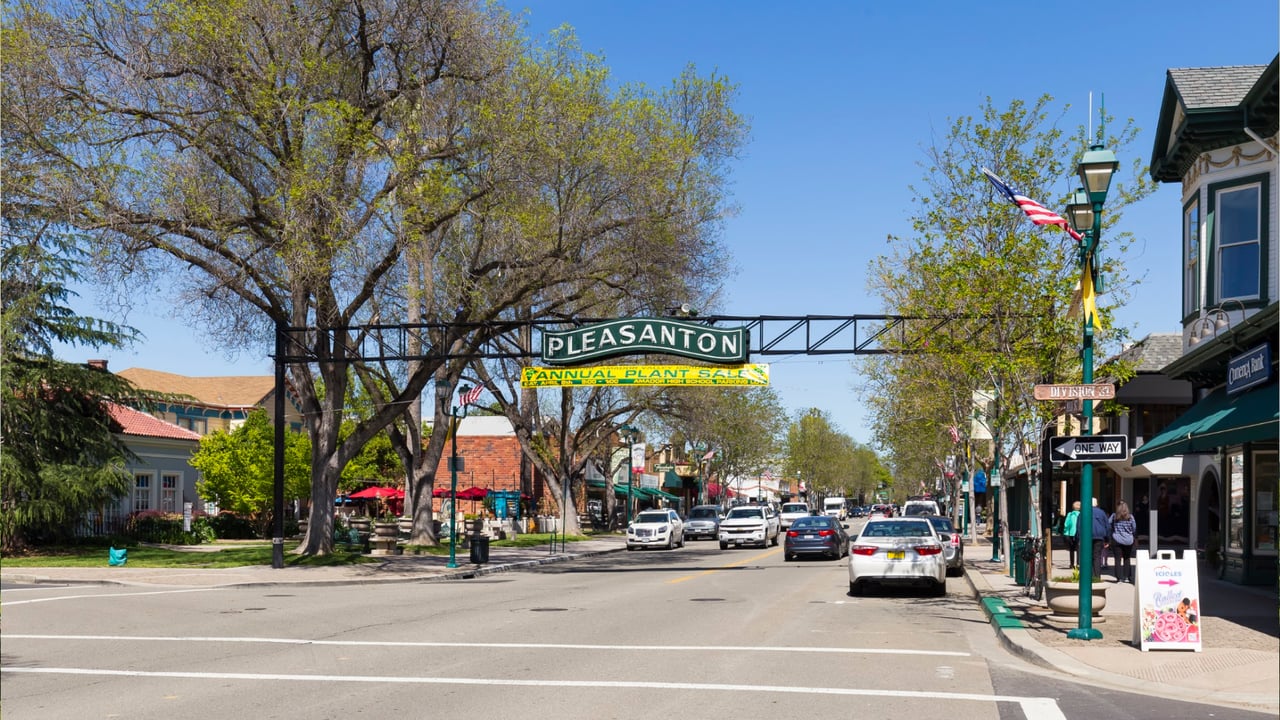
October 19, 2026
Your Guide to Living, Buying a Home & Settling Into Pleasanton

October 6, 2026
Your Guide to Halloween Events
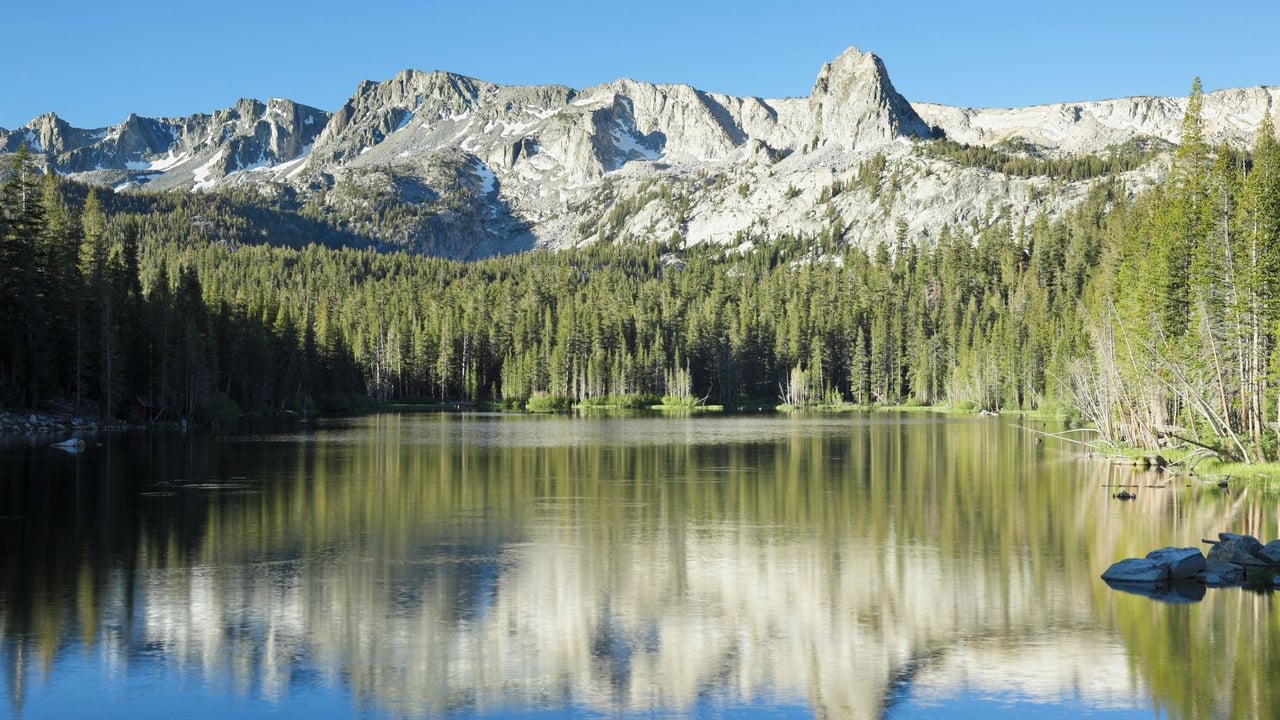
September 25, 2026
Where to Fish, Hike, Kayak & Enjoy the Outdoors Near the Tri-Valley
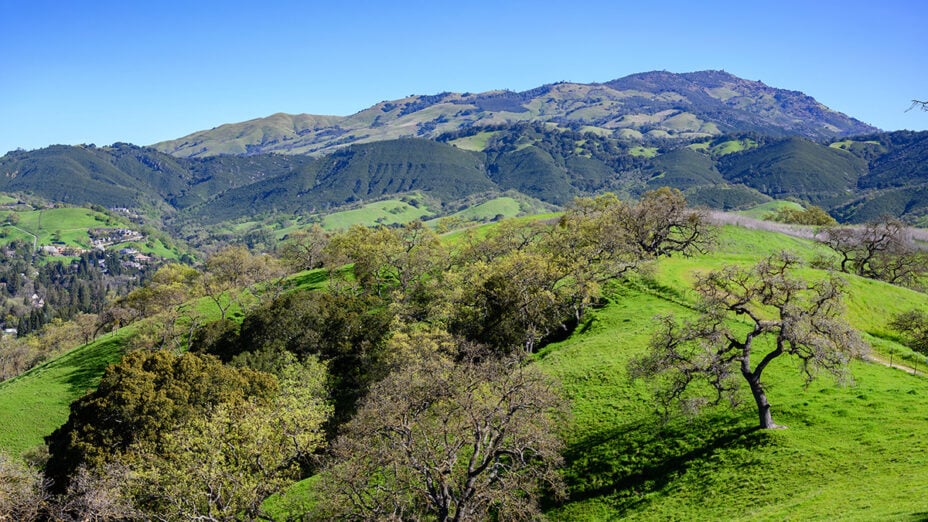
September 17, 2026
Find the East Bay Community That Best Fits Your Lifestyle
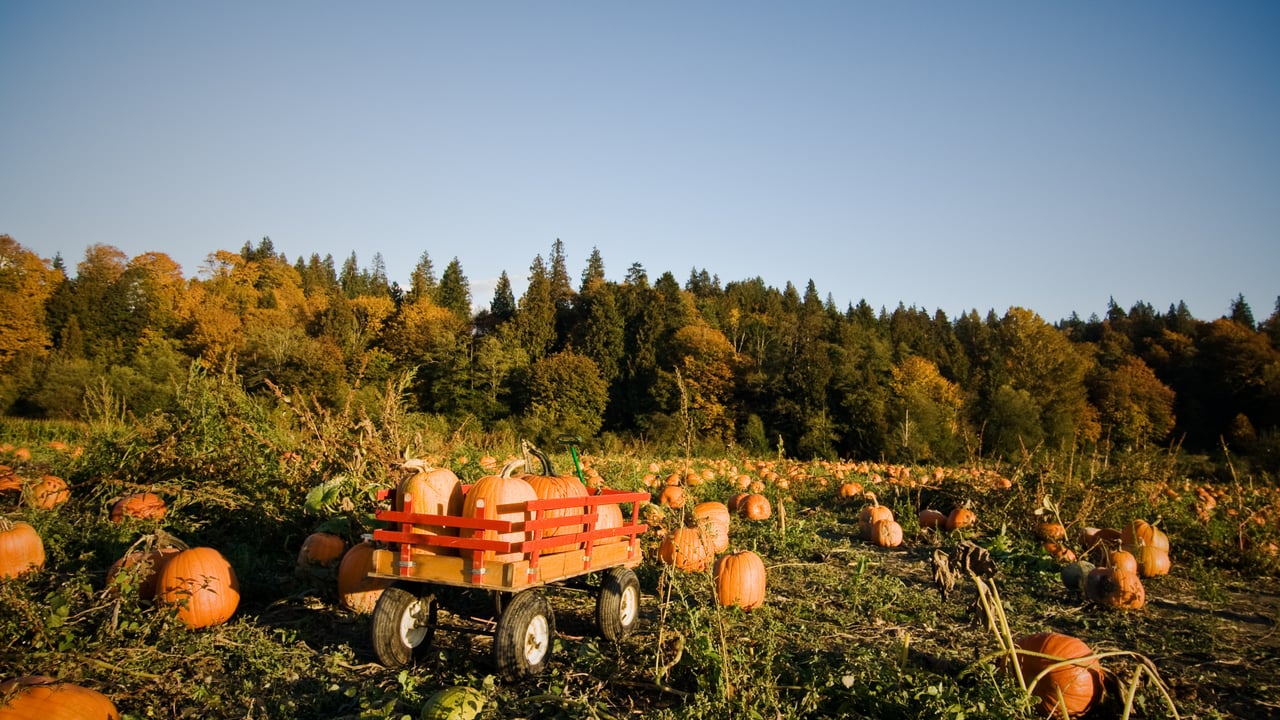
September 15, 2026
A Family-Friendly Guide to Pumpkin Patches Near the Tri-Valley

September 10, 2026
A Complete Guide to Tri-Valley Living

September 8, 2026
Where to Play Golf in the Tri-Valley
September 4, 2026
Things to Do This September in the Tri-Valley

September 3, 2026
Labor Day Weekend Events and Activities in Tri-Valley
Have questions about buying or selling a home? Our experienced and friendly Realtors® are here to help you.