December 18, 2025
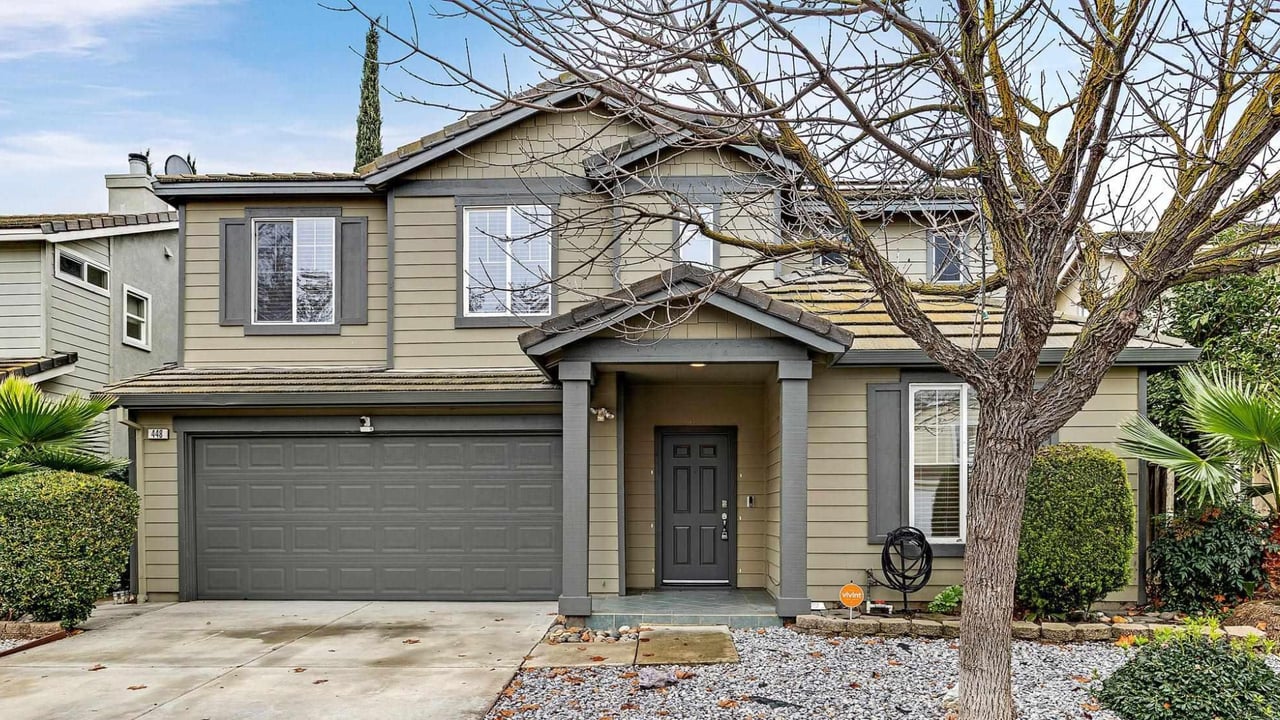
Selling a home involves a series of financial decisions that go far beyond the final sale price. For sellers and investors, the process requires upfront and closing-stage expenses that directly affect the profit ultimately realized. These costs are necessary to prepare a property for the market, complete the transaction, and meet legal and financial requirements. While most of them reduce net proceeds, costs for repairs and improvements can increase the final sale price and shape capital gains outcomes. Many sellers underestimate these expenses because they are incurred gradually rather than all at once. Understanding them early allows for planning and stronger financial decisions. When sellers know what to expect, they can evaluate whether certain expenses are worth the potential return and how they influence taxable gains.
Some homes require an investment before listing, whether through repairs, maintenance, or cosmetic improvements. Sellers may need to address deferred maintenance, update surfaces, improve curb appeal, or stage the home to meet buyer expectations. These costs could be unavoidable in many cases, especially in competitive markets. While they require upfront spending, well-chosen improvements often increase buyer interest and support a higher sale price. Certain capital improvements may also be added to the cost basis, which can reduce taxable capital gains. The key is making informed decisions about where spending is likely to produce measurable returns.
Real estate commissions are one of the expenses sellers should plan for when preparing to sell. These fees cover professional services such as pricing strategy, marketing exposure, ongoing guidance and advice, negotiation, and transaction management. From a capital gains standpoint, commissions are considered allowable selling expenses and reduce the taxable gain. For investors and homeowners alike, professional representation is a cost that supports execution and financial accuracy rather than a discretionary add-on. In California, the average total commission sellers pay (combined listing + buyer agent) is often around 5%–6% of the home’s sale price, though commissions are negotiable.
Closing costs are a standard part of every real estate transaction and should be anticipated well before escrow begins. Sellers may be responsible for transfer taxes, escrow and settlement fees, owner’s title insurance, recording fees, prorated property taxes, HOA transfer and document fees (if applicable), mortgage payoff–related charges, negotiated repair credits, and other seller concessions. These costs in California are typically about 2.72% of the home's selling price. Because most of these closing costs are classified as selling expenses, they reduce the realized capital gain for tax purposes. Understanding these expenses allows sellers to evaluate offers accurately and avoid surprises at the end of the transaction.
Capital gains taxes are calculated after considering the original purchase price, capital improvements, and allowable selling expenses. For primary residences, certain exclusions may apply, while investment properties are subject to different tax rules and often include depreciation recapture. Depreciation claimed over time is recaptured at the point of sale and taxed at a separate rate (currently up to 25% federally), typically higher than the long-term capital gains rate. This makes accurate recordkeeping and proactive tax planning especially important for investors. While taxes are a real financial obligation, understanding how expenses, improvements, and depreciation affect the tax calculation helps sellers plan more effectively and avoid unexpected liabilities.
Any remaining mortgage balance must be paid in full at closing, along with accrued interest and any lender-imposed administrative or payoff processing fees. Some loans may also include prepayment penalties or reconveyance charges. While loan payoffs do not factor into capital gains calculations, they have a significant impact on the seller’s net proceeds. For sellers planning to purchase another property or reinvest the proceeds, understanding these obligations is critical to cash-flow planning. Reviewing loan terms early helps prevent delays and supports a smoother escrow process.
The time required to sell a property carries ongoing ownership expenses, including property taxes, insurance, utilities, maintenance, and any HOA dues. These holding costs continue until the transaction closes and should be incorporated into the overall financial analysis. Market conditions also influence whether additional investment, pricing adjustments, or extended timelines are necessary to achieve a desired outcome. While timing can affect profitability, strategic pricing and thoughtful preparation often help offset carrying costs. Sellers who understand the relationship between time, expenses, and market demand are better positioned to make informed, confident decisions.
Selling a home requires spending money, and those costs should be approached with clarity rather than avoidance. When sellers understand which expenses reduce profit and which may improve the final sale price, they gain control over the process. Capital gains are shaped by both investment and execution, not just market appreciation. Planning allows sellers and investors to protect equity, minimize surprises, and achieve stronger financial outcomes. Education turns selling into a deliberate financial strategy rather than a reactive decision.
At Elation Real Estate, our team brings extensive experience in luxury real estate and provides personal attention tailored to each client’s situation. Our negotiation skills and local expertise allow us to guide sellers and investors throughout Pleasanton, Livermore, Dublin, Danville, Alamo, Oakland, Berkeley, Alameda, and Walnut Creek. We understand how costs, improvements, and capital gains intersect within the San Francisco East Bay market and help clients make informed, data-driven decisions at every step.
If you are considering buying or selling a home in the San Francisco East Bay, contact the Elation Real Estate team to receive strategic guidance and professional support throughout your real estate journey.
Stay up to date on the latest real estate trends.

October 22, 2026
An Educational Evening for Tri-Valley Real Estate Investors

October 19, 2026
Your Guide to Living, Buying a Home & Settling Into Pleasanton

October 6, 2026
Your Guide to Halloween Events

September 25, 2026
Where to Fish, Hike, Kayak & Enjoy the Outdoors Near the Tri-Valley

September 17, 2026
Find the East Bay Community That Best Fits Your Lifestyle

September 15, 2026
A Family-Friendly Guide to Pumpkin Patches Near the Tri-Valley

September 10, 2026
A Complete Guide to Tri-Valley Living

September 8, 2026
Where to Play Golf in the Tri-Valley

September 4, 2026
Things to Do This September in the Tri-Valley
Have questions about buying or selling a home? Our experienced and friendly Realtors® are here to help you.