February 10, 2026
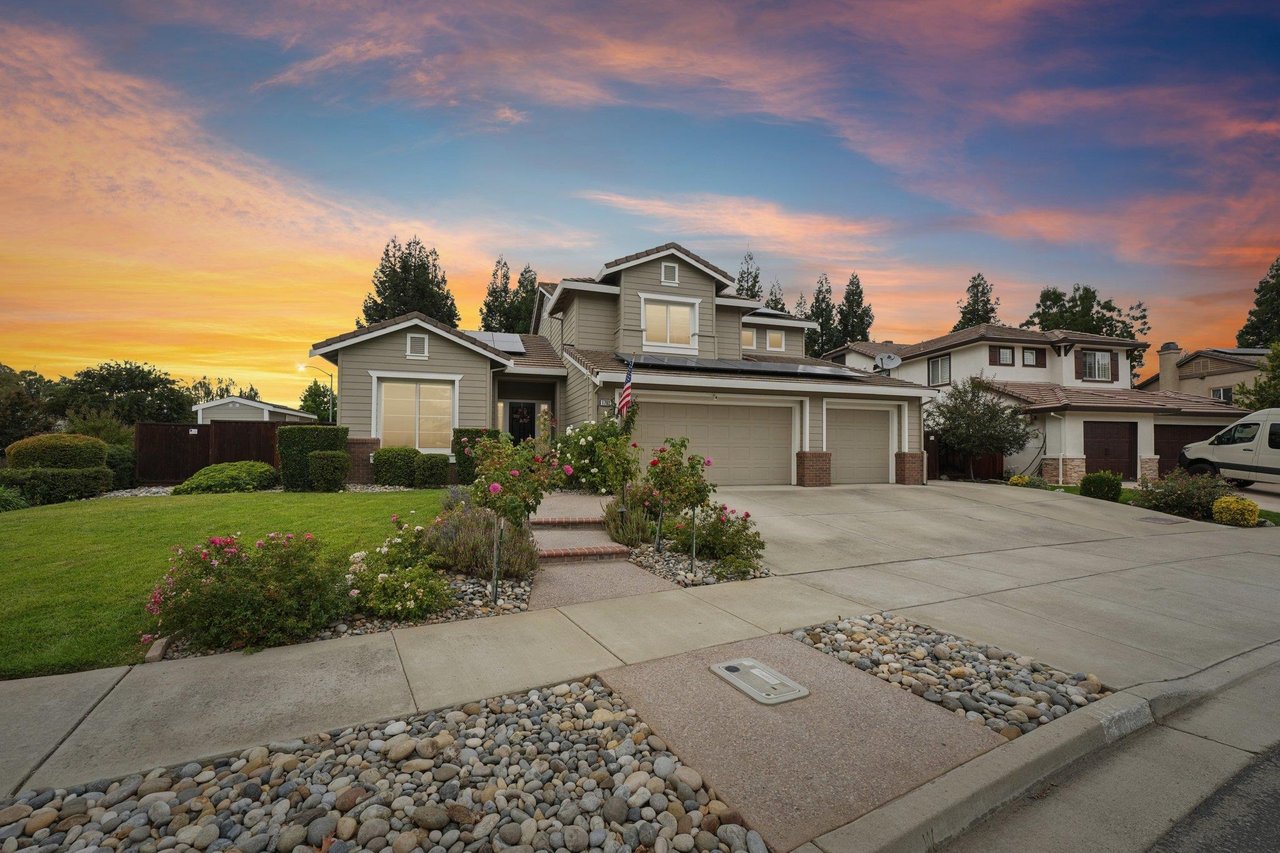
If you're thinking about selling, one of the first questions that comes up is simple but crucial: What is your home worth in today's market?
Your home's value is shaped by what similar homes have sold for recently, how much demand there is in your neighborhood, the number of homes currently available, interest rates, and the condition and upgrades of your property. Most importantly, it comes down to what qualified, motivated buyers are willing to pay right now.
Online estimates and past sales can be a helpful starting point, but the most accurate value range comes from combining up-to-date local data with the unique details of your home. With that clarity, you can price with confidence, attract serious buyers, and negotiate from a stronger position.
Below are the key components of home value:
A strong indicator of your home's value is what buyers recently paid for homes like yours. These are called comparable sales, or "comps." When a buyer makes an offer, they're usually comparing your home to other available properties and to recent sales nearby.
A good comparable sale usually matches your home in these areas:
Neighborhood or very nearby area
Similar square footage and lot size
Similar bed and bath count
Similar condition and updates
Sold recently (ideally within 30 to 90 days)
If a comp has a remodeled kitchen and yours doesn't, or if your home has a view and the comp doesn't, the price should be adjusted to reflect those differences. This is why two homes with the same square footage can sell for very different prices.
Buyers value cities and micro-location details. Two homes in the same zip code can have very different values depending on the street, nearby amenities, and the feel of the surrounding area.
Some location factors that influence value include:
School boundaries and reputation
Commute convenience and road access
Walkability to parks, shopping, and dining
Noise levels and nearby commercial areas
Views, privacy, and street appeal
When buyers fall in love with a specific neighborhood, demand increases, and that demand pushes value up.
Square footage matters, but layout often matters more. Buyers care about how the home functions day-to-day. They want a floor plan that feels intuitive, rooms that fit real furniture, good light, and storage that supports real life.
Functional flow, natural light, comfortable ceiling height, usable bedroom and bathroom sizes, and strong indoor-outdoor connection can all increase perceived value and help a home show better, especially in California markets.
Permits also matter. If your home has additions, garage conversions, or enclosed patios, permitted space typically adds more value than unpermitted space because it reduces risk. Unpermitted space may still add usability, but buyers and lenders do not always value it the same way.
Condition is one of the biggest value drivers because it affects buyer confidence. Even when buyers plan to renovate, they pay close attention to big-ticket items. A well-maintained home tends to attract stronger offers because buyers feel safer.
Key condition factors:
Roof age and visible condition
Heating and cooling systems
Plumbing and electrical updates
Windows, insulation, and energy efficiency
Interior condition (flooring, paint, fixtures)
A pre-sale inspection can be a smart strategy because it shows you what a buyer will likely discover anyway. That gives you the ability to decide whether to repair, disclose clearly, or price accordingly, instead of being surprised during escrow.
Not all upgrades add value equally. Buyers tend to pay more for improvements they can see and use immediately, especially when those upgrades reduce future work and make the home feel move-in ready.
Value-boosting upgrades:
Updated kitchens or bathrooms that feel modern
Flooring and paint that make the home move-in ready
Energy upgrades (efficient windows, insulation, solar)
Outdoor improvements that expand living space
A key detail is quality and consistency. A partial update sometimes feels less valuable than a cohesive, well-planned refresh.
Your home’s value can shift based on what is happening in the market right now. Inventory levels, buyer activity, interest rates, and seasonality influence what buyers can afford and how competitive they feel. When there are fewer comparable homes for sale and more buyers actively shopping, prices tend to rise. When inventory grows or affordability tightens, buyers become more cautious and more assertive in negotiations.
This is why two nearly identical homes can sell at different prices just a few months apart.
Once you understand what drives value, the next step is to translate it into a pricing strategy that aligns with your goals and reflects current buyer behavior. A local real estate agent who knows your market can prepare a CMA, an analysis that considers your home’s features, condition, upgrades, layout, and location details with real neighborhood data and local expertise to recommend a price range that makes sense in today’s market.
The goal is to position your home to attract the right buyers, generate strong interest early, and protect your leverage in negotiations. A strong pricing plan considers recent sales, current competition, and what buyers are responding to right now, so you can list with confidence and avoid common pricing mistakes that weaken momentum.
How do I know what my home is worth today?
The most accurate way is to compare your home to recent nearby sales that match your size, condition, and features, then adjust for meaningful differences. Current competition and local buyer behavior also matter, so an updated CMA, along with a walkthrough, usually provides the clearest picture.
Are online estimates like Zestimate accurate?
They can be a helpful starting point, but they often overlook key value drivers such as condition, update quality, layout feel, street appeal, privacy, and views. They usually work better as a general range than a precise pricing strategy.
Should I price my home higher to leave room to negotiate?
In many markets, pricing too high reduces showings and can lead to price reductions, which can weaken leverage. A better approach is to price based on current buyer behavior and competition, so you create strong interest early.
Do I need an appraisal before listing my home?
Most sellers do not need a formal appraisal to list. A strong CMA is usually enough. An appraisal can be useful in special situations, such as unique properties or estate planning, but it is not required for most standard sales.
What if my home is unique and there are no strong comps?
Pricing may require a wider search area, older sales adjusted for today’s market, and a stronger emphasis on features, lot value, and buyer demand. In these cases, presentation and positioning often matter even more.
Knowing what your home is worth means understanding the components that create value and matching those details to real market activity. When you look at comparable sales, location, layout, condition, upgrades, lot usability, and current market conditions together, you can estimate value with much more confidence.
At Elation Real Estate, we guide buyers and sellers in Pleasanton, Livermore, Alamo, Walnut Creek, San Ramon, Dublin, Danville, Oakland, Berkeley, and Alameda through every stage of the real estate journey with clarity, strategy, and local expertise. If you're considering selling a property and want a clear pricing plan tailored to your home and neighborhood, contact Elation Real Estate to start the conversation and take your next step with confidence.
Stay up to date on the latest real estate trends.

October 6, 2026
Your Guide to Halloween Events

September 25, 2026
Where to Fish, Hike, Kayak & Enjoy the Outdoors Near the Tri-Valley

September 17, 2026
Find the East Bay Community That Best Fits Your Lifestyle

September 15, 2026
A Family-Friendly Guide to Pumpkin Patches Near the Tri-Valley

September 10, 2026
A Complete Guide to Tri-Valley Living

September 8, 2026
Where to Play Golf in the Tri-Valley

September 4, 2026
Things to Do This September in the Tri-Valley

September 3, 2026
Labor Day Weekend Events and Activities in Tri-Valley

August 27, 2026
Prepare Your Home for Fall Success
Have questions about buying or selling a home? Our experienced and friendly Realtors® are here to help you.