March 25, 2026
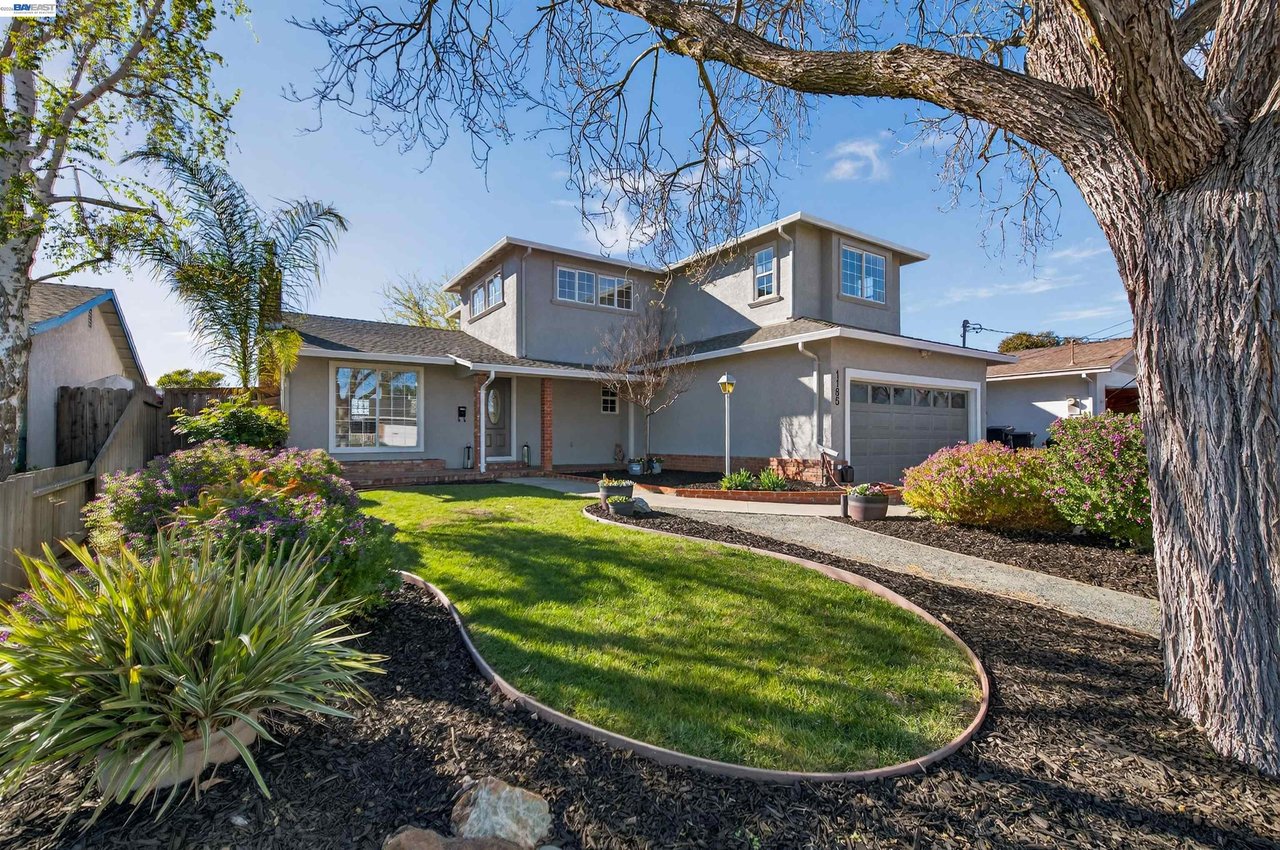
If you're planning to buy a home, one of the most important steps is touring properties in person. At first glance, it’s easy to focus on finishes, décor, and how the home feels. But beyond the surface, there are critical details, many of which aren’t immediately obvious, that can significantly impact your decision.
A home tour isn’t just about imagining your life in the space. It’s about evaluating condition, functionality, and potential future costs so you can make a confident and informed investment.
Below are the key things to look for when touring a home:
Beyond square footage, how a home lives day-to-day is critical. A well-designed layout can make a smaller home feel functional, while a poor layout can make a large home feel awkward.
Pay attention to:
How rooms connect and flow together
Natural light throughout the day
Furniture placement possibilities
Privacy between bedrooms and living areas
Storage space (closets, cabinets, garage)
Try to picture your daily routine (cooking, relaxing, working, entertaining) and whether the layout supports it.
These surfaces can reveal more than you think. Look closely, not just casually.
Watch for:
Cracks in walls or ceilings (could indicate settling or structural issues)
Uneven or sloping floors
Water stains or discoloration
Fresh paint in isolated areas (could be covering repairs)
These are subtle signals that may point to past or ongoing issues, but it is also important to request a home inspection.
These impact comfort, energy efficiency, and long-term costs.
Check:
Do windows open and close easily?
Are there drafts near windows or doors?
Signs of condensation between window panes (seal failure)
Quality of natural light and ventilation
Older or inefficient windows can lead to higher utility bills and future replacement costs.
These are some of the most expensive areas to update, so it’s important to look past the finishes.
Pay attention to:
Water pressure and drainage
Cabinet condition (not just style)
Signs of leaks under sinks
Ventilation (especially in bathrooms)
Age and condition of appliances
A modern look is great, but functionality and condition matter just as much.
Many buyers don’t think to check these during a tour, but they can have a major financial impact.
Ask about or observe:
Roof age and condition
HVAC system (heating and cooling)
Water heater age
Electrical panel updates
Plumbing materials (older pipes vs. updated systems)
Even if everything looks great cosmetically, outdated systems can mean significant future expenses.
This is one of the most underrated parts of a home tour.
Notice:
Musty odors (could indicate mold or moisture issues)
Strong artificial scents (may be masking something)
Outside noise (traffic, neighbors, nearby businesses)
Sound transfer between rooms
Your senses often pick up what your eyes don’t.
The home itself is only part of the decision; the location plays a huge role in long-term satisfaction and value.
Take time to observe:
Street traffic and parking availability
Nearby homes and overall upkeep
Noise levels at different times
Proximity to amenities, schools, and commute routes
If possible, visit the area at different times of day to get a full picture.
A home tour is your opportunity to go beyond the listing photos and truly understand what you’re considering. By paying attention to both visible details and hidden factors, you can avoid surprises and make a more confident offer.
Working with a knowledgeable real estate agent can help you spot things you might miss, ask the right questions, and evaluate each property with clarity and strategy.
Bring a checklist, your phone for photos, and a notebook for impressions. It’s easy to forget details after seeing multiple homes.
Take your time. A thorough tour usually takes 20–40 minutes, depending on the size and the level of detail you want.
Both can be helpful. Open houses are great for initial exploration, while private showings allow for a more detailed evaluation.
Inspections are critical, but your tour helps you decide whether the home is worth pursuing in the first place.
That’s normal. Revisit the home if possible, or compare it to other options before making a decision.
Touring a home is more than just seeing if you like it; it’s about understanding what you’re buying from every angle. When you evaluate layout, condition, systems, and surroundings together, you put yourself in a stronger position to make a smart and confident decision.
At Elation Real Estate, we guide buyers through Pleasanton, Livermore, Alamo, Walnut Creek, San Ramon, Dublin, Danville, Oakland, Berkeley, and Alameda with a strategic and detail-oriented approach. If you're starting your home search or want expert guidance on touring and evaluating properties, contact Elation Real Estate today or visit our website to take your next step with confidence.
Stay up to date on the latest real estate trends.

October 6, 2026
Your Guide to Halloween Events

September 25, 2026
Where to Fish, Hike, Kayak & Enjoy the Outdoors Near the Tri-Valley

September 17, 2026
Find the East Bay Community That Best Fits Your Lifestyle

September 15, 2026
A Family-Friendly Guide to Pumpkin Patches Near the Tri-Valley

September 10, 2026
A Complete Guide to Tri-Valley Living

September 8, 2026
Where to Play Golf in the Tri-Valley

September 4, 2026
Things to Do This September in the Tri-Valley

September 3, 2026
Labor Day Weekend Events and Activities in Tri-Valley
August 27, 2026
Prepare Your Home for Fall Success
Have questions about buying or selling a home? Our experienced and friendly Realtors® are here to help you.